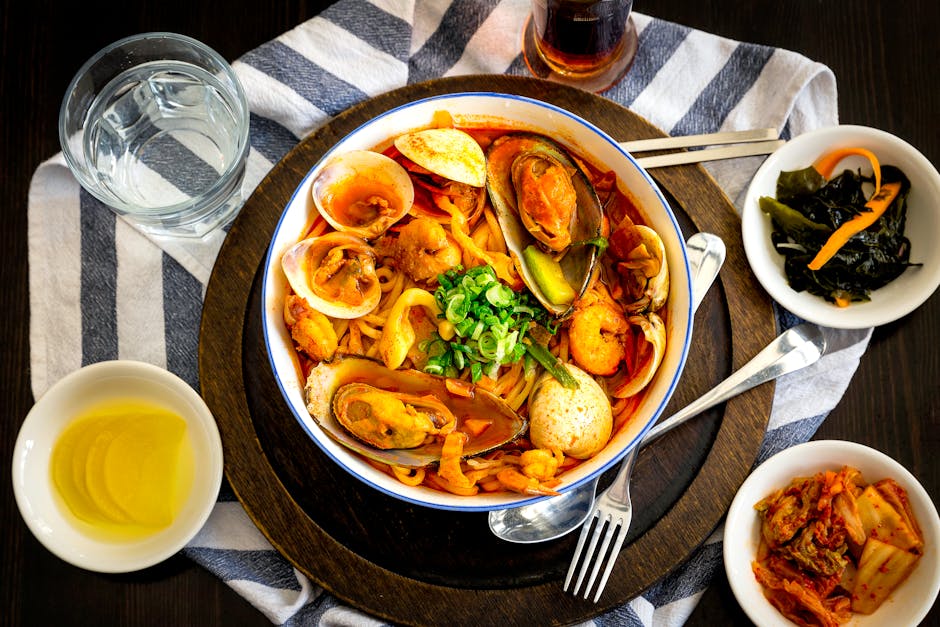
Authentic Korean Taste is reshaping how Korean food brands expand abroad, with tteokbokki, kimchi and Korean BBQ leading a flavor-first strategy.
Why Authentic Korean Taste Sells
Brands now prioritize the original heat, fermentation and grills that define Korean cuisine. Therefore, they keep recipes, spice levels and even packaging closer to what Koreans expect at home.
Hallyu (the Korean Wave) plays a major role — K-pop and K-drama fans want the same foods they see in shows and music videos. Additionally, diasporic communities and food-savvy millennials demand real flavors over watered-down versions.
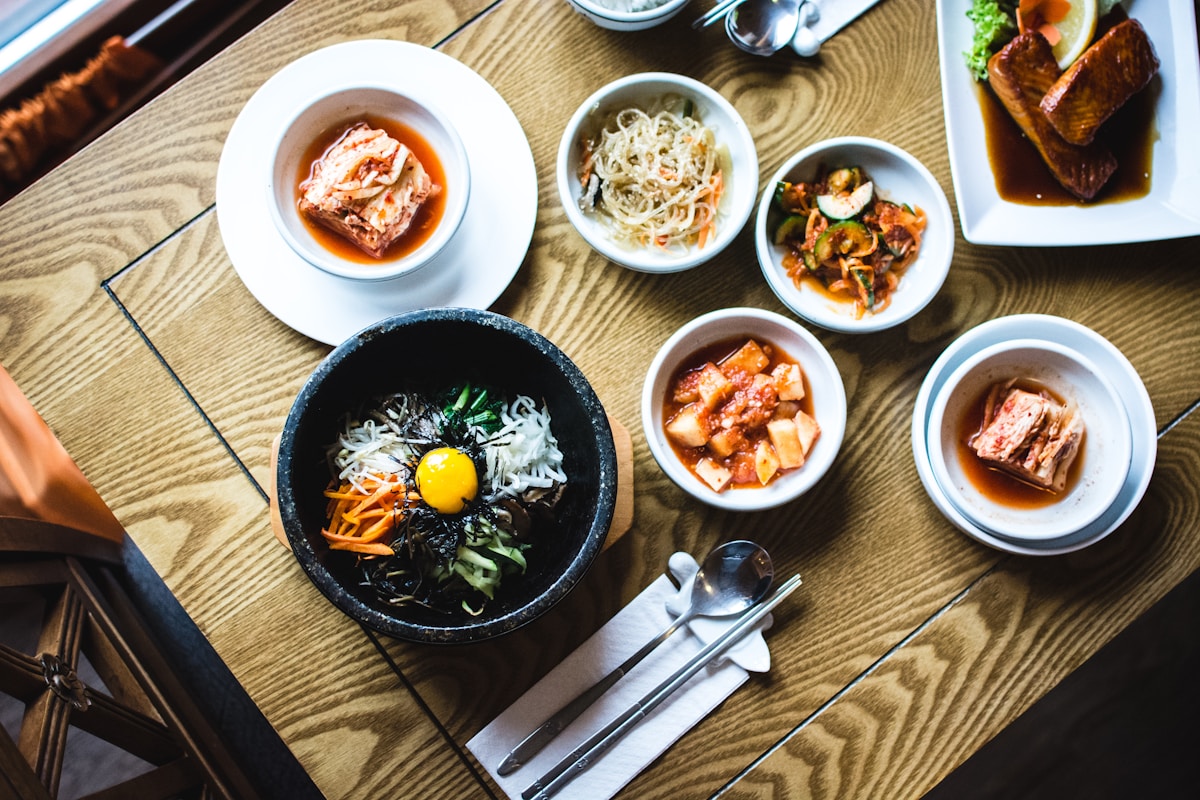
Tteokbokki, Kimchi, and Korean BBQ Leading the Charge
Tteokbokki (spicy rice cakes), kimchi (fermented vegetables) and Korean BBQ are not only iconic; they serve as accessible entry points for international consumers.
Tteokbokki: Street Food to Supermarket Shelf
Tteokbokki sellers in Vietnam and Southeast Asia now offer ready-to-heat versions with authentic gochujang spice mixes. Furthermore, social media videos showing locals trying spicy tteokbokki help drive demand.
- Ready-made sauces preserve the original heat profile.
- Vacuum-sealed rice cakes survive export chains better than fresh alternatives.
- Brands use authentic Korean labeling and cooking tips to educate buyers.
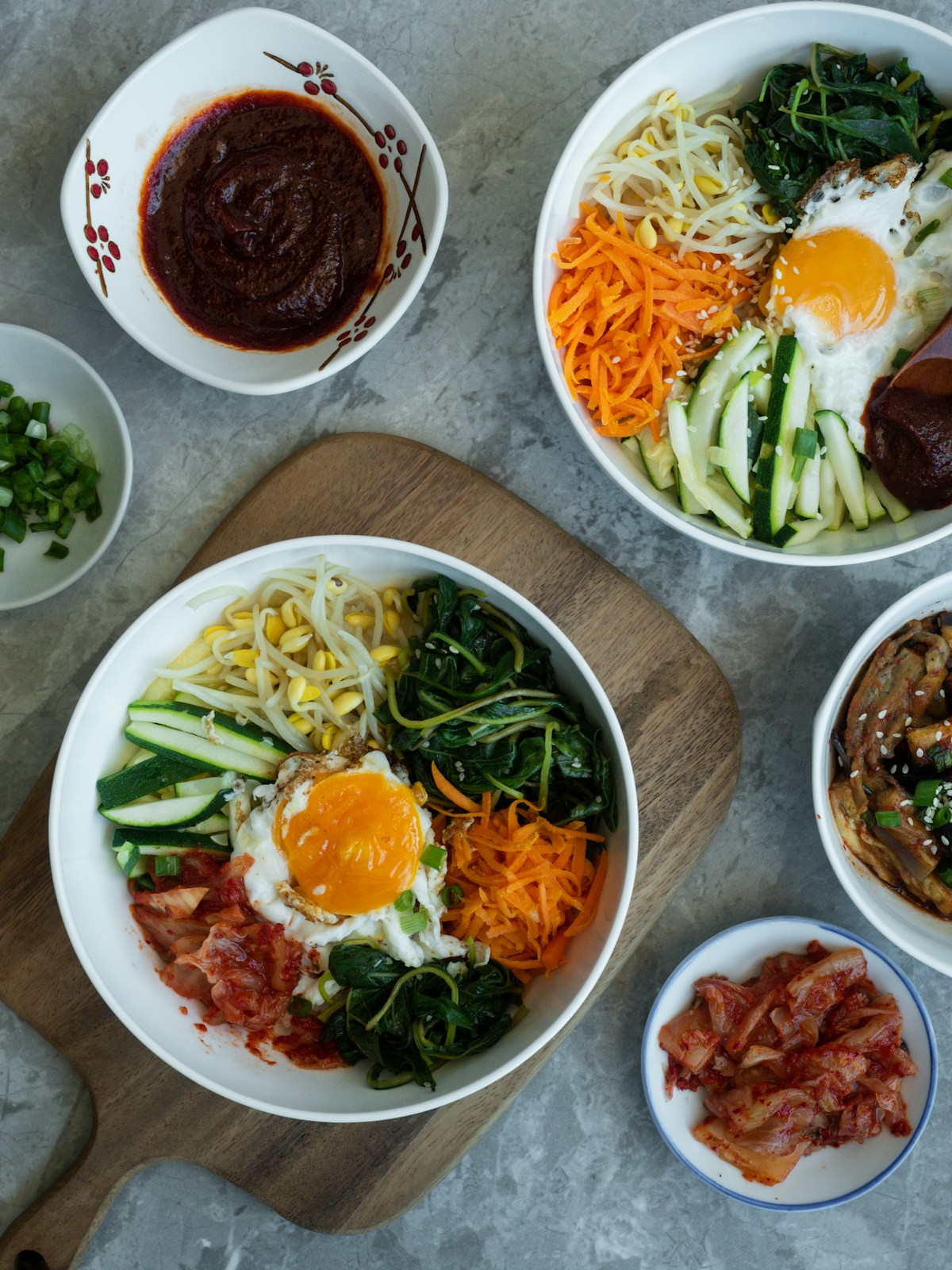
Kimchi: Fermentation as a Selling Point
Kimchi classes and DIY fermentation kits surged in popularity in Vietnam and the UK, with enthusiasts preferring traditional recipes. However, that requires companies to invest in cold-chain logistics and clear labeling about live cultures and storage.
For background on the dish’s cultural importance, see Kimchi – Wikipedia.
Korean BBQ: Dining Ritual Exports
Korean BBQ exports include pre-marinated meats, tabletop grills, and sauces designed to replicate the communal grilling experience. Therefore, retailers pitch these items as both convenient and authentic, appealing to diners who discovered Korean dining through K-dramas or K-pop group gatherings.
How Policy and Retail Open Doors
Improved trade terms — including enhancements to the Korea-UK FTA — and placement in major retailers like Amazon Fresh help brands scale quickly.
Retail and policy shifts matter because they reduce tariffs, simplify cold-chain standards, and allow faster entry into supermarket aisles. Additionally, platforms like Amazon and global grocery chains provide discovery channels for authentic products.
News outlets and trade coverage track these moves closely; for general reporting on global trade trends see Reuters.
Brand Strategies: How Companies Keep It Real
Companies that commit to Authentic Korean Taste use several tactics to preserve flavor and culture while selling abroad:
- Partnering with Korean chefs and certified producers to maintain recipes.
- Providing clear cooking instructions in local languages and online videos.
- Launching cultural campaigns that connect food with K-pop and K-drama moments.
- Offering tasting events, fermentation workshops and pop-ups to educate consumers.
These methods help customers understand why the product tastes different from localized imitations and build trust in authenticity.
Challenges and Opportunities
Authenticity comes with hurdles. Import rules, food safety standards and higher logistics costs can raise shelf prices. However, many consumers are willing to pay a premium for the genuine experience.
Therefore, brands experiment with smaller SKU sizes, subscription models, and localized marketing that explains cultural context without changing recipes.
Related Cultural Forces
The push for Authentic Korean Taste ties directly into the broader Hallyu effect: fans of K-pop groups and K-dramas often seek the food they see on screen. For readers interested in those cultural drivers, check our K-pop news and K-Drama articles.
Additionally, crossovers—like celebrity chef partnerships with idols or product placements in dramas—amplify demand and turn niche foods into mainstream supermarket staples.
Conclusion: Authentic Korean Taste as a Global Strategy
Authentic Korean Taste now stands as a deliberate business choice rather than an accident of export. Brands that preserve spice profiles, fermentation methods and dining rituals find stronger, longer-term loyalty abroad.
For consumers, that means more opportunities to enjoy true tteokbokki heat, properly fermented kimchi, and communal Korean BBQ — not just localized versions. Therefore, watch for more K-food labels promising authentic recipes on shelves and platforms worldwide.
Explore more K-food reporting at K-Food articles and discover recipes and vendor spotlights that let you try Authentic Korean Taste at home.
]]>