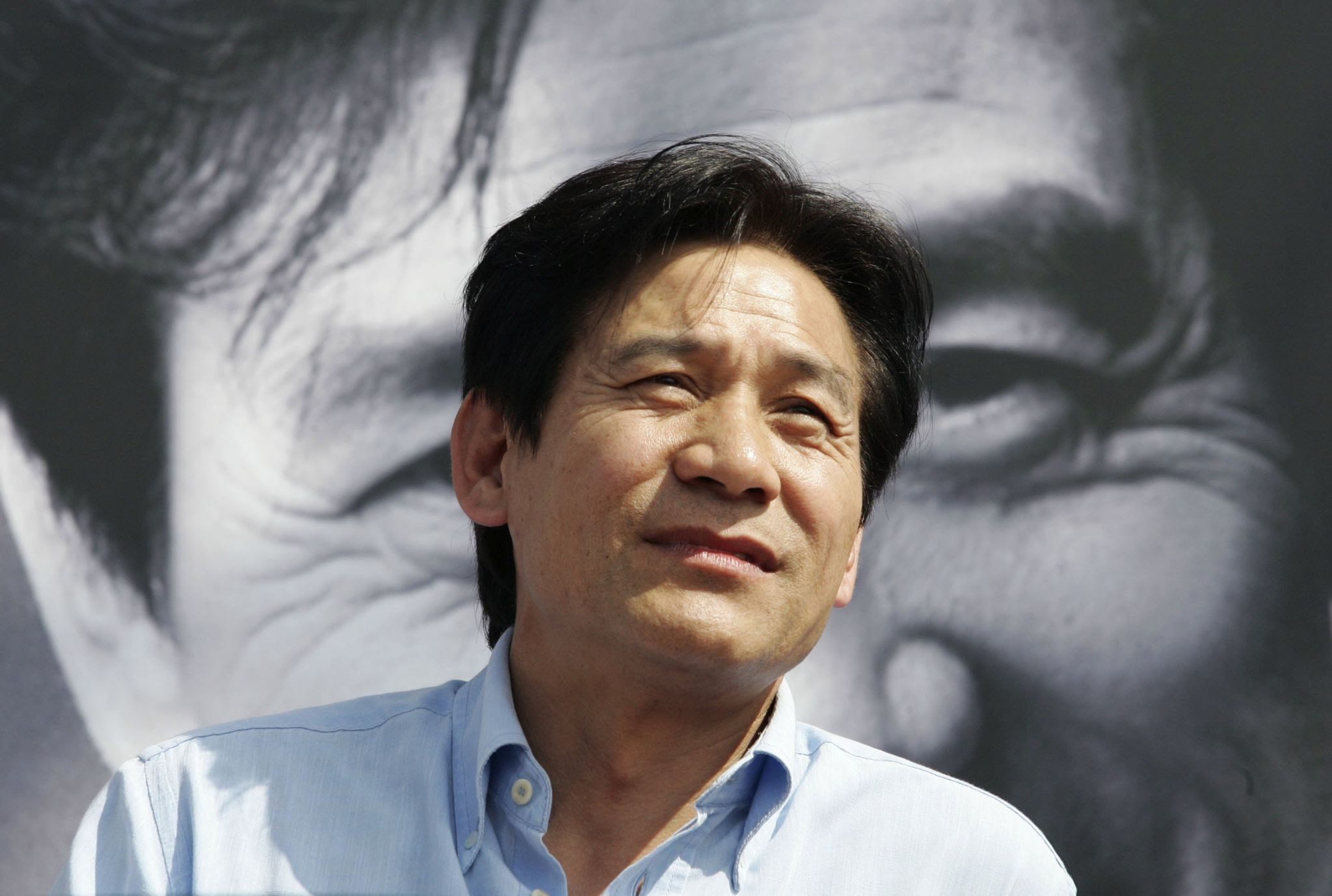
Ahn Sung-ki was a towering figure in Korean cinema whose career spanned 69 years, and his passing on January 5, 2026 leaves a deep void.
Ahn Sung-ki: A 69-Year Career
Born in 1951, Ahn Sung-ki first appeared as a child actor in Kim Ki-young’s Twilight Train (1957). Over the decades, he grew into what many called Korea’s national actor, carrying the emotional weight of the country’s modern history on screen.
He worked consistently from the 1950s through the 2020s, collaborating with celebrated directors such as Im Kwon-taek, Bae Chang-ho, Lee Jang-ho, Jung Ji-young, and Lee Jun-ik. Therefore, tracing his filmography reads like a tour of South Korean cinema itself.
Iconic Films and Roles
Ahn Sung-ki gave memorable performances in both commercial hits and art-house films. Furthermore, his range let him play everything from paternal figures to conflicted antiheroes.
Silmido (2003)
He appeared in or around films of that era that defined modern Korean box office success. Silmido helped usher in a new wave of popular Korean films and remains widely discussed among international viewers.
Radio Star (2006)
In Radio Star, the emotional nuance of veteran performers helped the film connect with both critics and general audiences. Additionally, this film highlighted the musician’s plight and the value of quiet performances.
The Divine Move (2014)
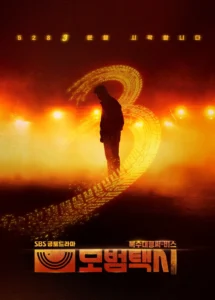
He later appeared in genre films like The Divine Move, which showcased Korea’s evolving action and thriller sensibilities. His presence lent gravitas to popular genre cinema.
Filmography Highlights
Below are select highlights from his long career. However, this list only scratches the surface of a 69-year span.
- Child actor breakthrough: Twilight Train (1957) — early screen debut.
- Golden-era collaborations: Work with Im Kwon-taek and other masters that shaped Korean film history.
- Box-office and critical titles: Silmido, Radio Star, The Divine Move.
- Late-career roles: Mature, reflective characters that appealed across generations.
Collaborations, Awards and Influence
Ahn Sung-ki received major awards and served as a cultural ambassador for Korean cinema. He repeatedly worked with Korea’s top directors and younger actors, shaping acting standards and mentorship culture.
He also represented Korean film at festivals and in public life. Therefore, his influence extended beyond the screen into film policy and education.
Cultural Legacy and Public Reaction
As audiences and colleagues mourn, tributes poured in from actors, directors, and officials. Ahn Sung-ki embodied a continuity of memory for Koreans, reflecting social change through nuanced performances.
Internationally, his work helps explain Hallyu (the Korean Wave) beyond K-pop and K-drama by showing deep roots in cinematic storytelling. Additionally, fans who discovered Korean films via festival circuits often cite his performances as gateways into broader Korean culture.
How to Explore His Work
If you’re new to Korean film, start with these accessible entries:
- Silmido — for modern box-office history and intense drama.
- Radio Star — for character-driven storytelling and emotional depth.
- The Divine Move — for a taste of genre filmmaking with veteran gravitas.
For further reading about his life and credits, see Ahn Sung-ki on Wikipedia and the broader context of Korean film at the Korean Film Council.
Remembering Ahn Sung-ki
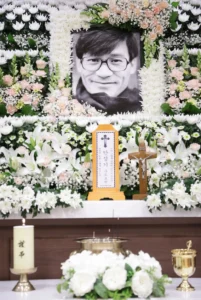
Ahn Sung-ki leaves behind a body of work that both documents and shaped modern Korea. His passing at 74 marks the end of an era, yet his films will continue to teach and move new viewers.
Therefore, whether you’re a fan of K-dramas, K-pop, or Korean cinema, exploring his roles gives deeper insight into Korean storytelling and cultural memory. For more on Korean entertainment, check our K-Drama & Film coverage and related K-pop news.